As a girl growing up in Vermont Harbor, Jasmine Garcia never imagined she would live in the same house her entire life. As the daughter of newly arrived Mexican Immigrants that had little money to survive, Garcia’s world seemed too unstable to think of staying anywhere for very long. 18 years later, her family is still living in the same one-bedroom house on 52nd street thanks to a small party supply store her family owns. Over the years, Garcia hasn’t seen much change to the Vermont Harbor community. Cheap eats and vendors line the streets around her family’s business on Vermont Street and major construction projects have been nonexistent in the neighborhood for more than a decade. What has changed is the rent.
"When my parents started out at this place 10 years ago the rent was only $600. Now they have to pay $1,500,” Garcia said. “It just keeps going up and up and the amount of business we’re getting isn’t.”
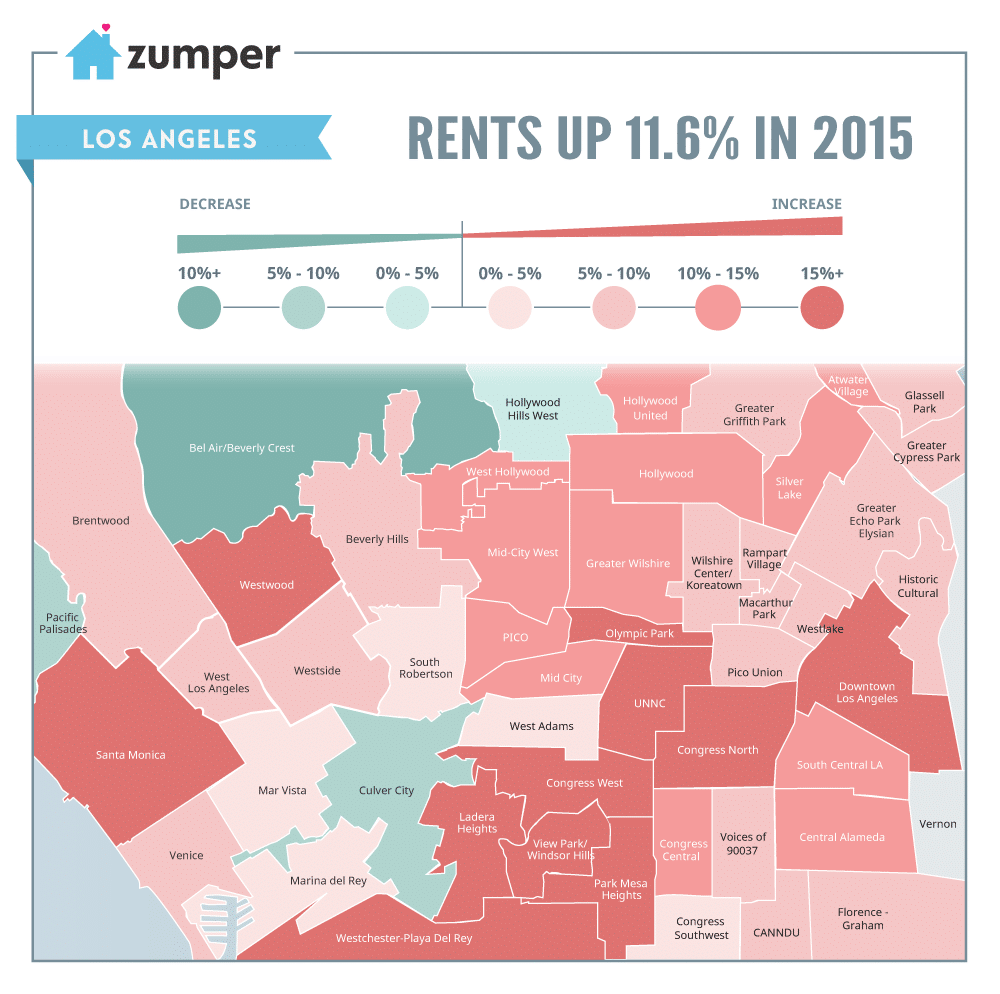
The Garcia’s are not alone. Rents in Vermont Harbor and similar communities around the Los Angeles area are rising. A study by Zumper Apartment Rentals found rents in Vermont Harbor and Central Alameda rose 15% in 2015. What’s more, Zumper also concluded that rents in the neighborhood will likely continue to increase sharply for at least the next two years.
These numbers would make sense in most Los Angeles neighborhoods. It’s no secret the city is gentrifying rapidly. New buildings and construction projects are springing up in previously run-down neighborhoods, forcing housing prices to rise with the changes. However, this rise in rent is also being seen in low-income neighborhoods like Vermont Harbor- an area of the city the gentrification boom has almost completely passed over.
“I know housing prices have gone up in this neighborhood, but I haven’t seen any new building projects,” Manuel Arts High School Assistant Principal Todd Engle said. “It’s only USC housing.”
One theory by USC Professor of Sociology and Public Policy Ann Owens suggests large-scale gentrification forces rents in a city to go up across the board.
“What we’re seeing in many low-income neighborhoods across the L.A. metropolitan area are rising rents due to spill over from other gentrifying areas,” Owens said. “As certain parts of the city change and become more expensive to live in, it can increase the property value of other areas of the city due to an inflated value perception by building owners. A building owner sees rent going up in one area and thinks he or she can charge a little more in their area, creating a cycle of rising rates.”
With comparable rates of rising rent in gentrifying and non-gentrifying areas, it almost seems as though low-income areas of the city are gentrifying without the benefits of gentrification. Vermont Harbor, for example, still struggles to bring in brand name stores and big businesses to the neighborhood despite the rising property value. Engle thinks the problem largely stems from the neighborhood’s history.
“I think businesses are just spooked and they don’t want to move in,” Engle said. “They’re conservative and maybe they are worried. The riots were over 20 years ago now but businesses are still reluctant to come in.”
Still, Vermont Harbor has one of the highest crime rates in Los Angeles according to the LAPD. Current business owners in the neighborhood deal with constant break-ins and security concerns (see slideshow) that make it difficult for the neighborhood to attract national chains. If Vermont Harbor wants to reap the benefits of gentrification, issues like crime must be resolved first before larger businesses will move into the area. Until then, family businesses in Vermont Harbor like the Garcia’s will continue to see their rents go up without the sales to keep their businesses afloat.